
Unlocking the Power of DPQ180E-325: A Game-Changer in Cable and Telecommunications
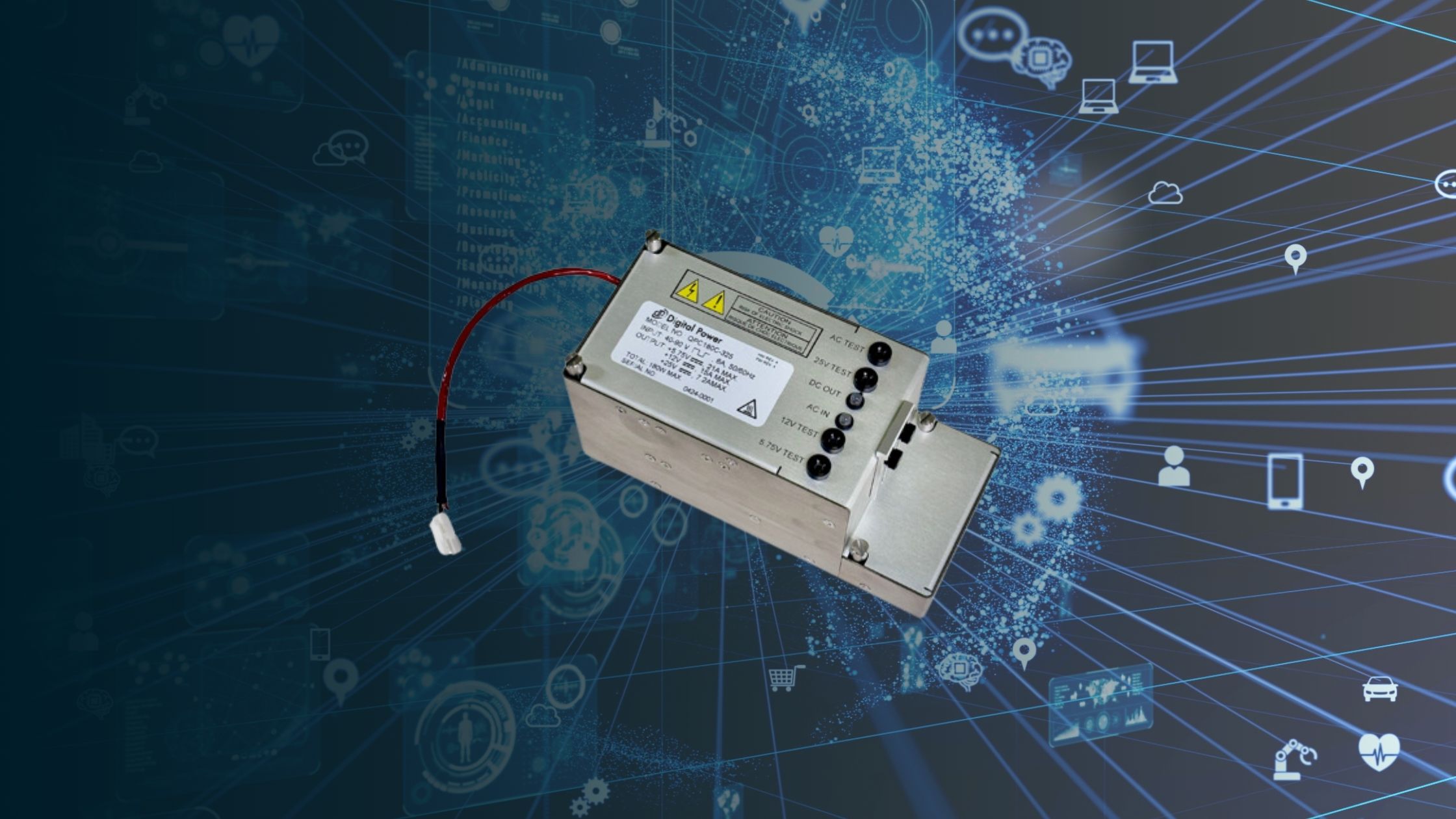
As cable and telecommunications infrastructure continues to evolve, power conversion hardware has to keep pace with changing architectures, mixed-voltage loads, and stricter uptime expectations. The DPQ180E-325 is positioned as a high-performance solution for operators and OEMs that need reliable power delivery across modern telecom systems.
Wide input range with multi-output flexibility
One of the strongest attributes of the DPQ180E-325 is its wide quasi-square-wave input range from 40V to 90V. That operating envelope gives designers more margin when real-world source conditions vary and simplifies integration into systems that do not live in ideal laboratory environments.
The converter delivers three regulated outputs, 25V, 12V, and 5.75V, allowing a single unit to support multiple downstream loads. For telecom platforms where several subsystems must share the same power architecture, that flexibility can reduce complexity and improve packaging efficiency.
Efficiency and protection in the same package
High conversion efficiency matters in telecom equipment because wasted power becomes heat, and heat becomes a reliability problem. The DPQ180E-325 is described with efficiency up to 90%, helping reduce loss while supporting dense installations and longer service life.
Protection coverage is equally important. The platform includes safeguards for over-temperature, over-voltage, under-voltage, over-current, and short-circuit conditions, along with automatic restart behavior. That combination is designed to keep systems available without forcing unnecessary maintenance interventions.
Designed for harsh operating environments
Infrastructure power equipment is often installed in environments that combine temperature swings, exposed enclosures, and long unattended service intervals. The DPQ180E-325 is designed for baseplate operation from -40°C to 85°C, which aligns with the kind of environmental tolerance broadband and outside-plant applications demand.
The design also aligns with GAP ANSI/SCTE 273-1 2021 requirements, reinforcing its fit for cable and telecommunications use cases where conformance and repeatable performance matter.
A practical fit for broadband modernization
Telecommunications infrastructure is moving toward faster, more distributed platforms. That makes power conversion less of a support function and more of a design constraint that directly affects service resilience. The DPQ180E-325 addresses that shift by combining range, efficiency, protection, and ruggedness in a single converter architecture.
For teams building or refreshing access, broadband, or communications systems, the converter represents a practical path toward more stable power delivery under real deployment conditions.